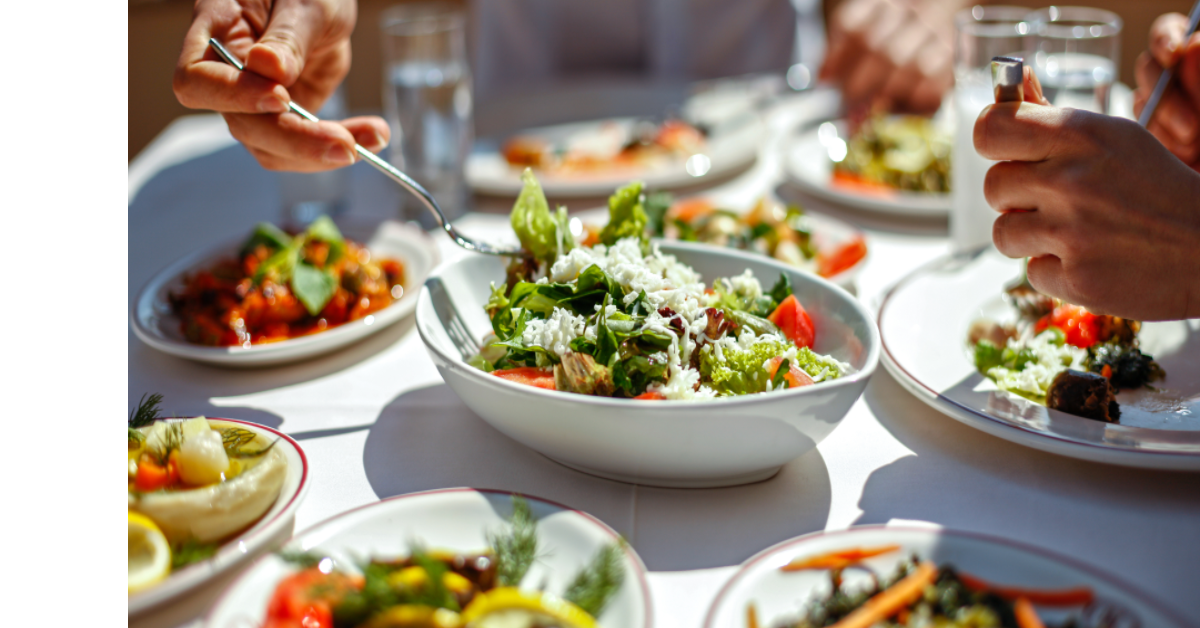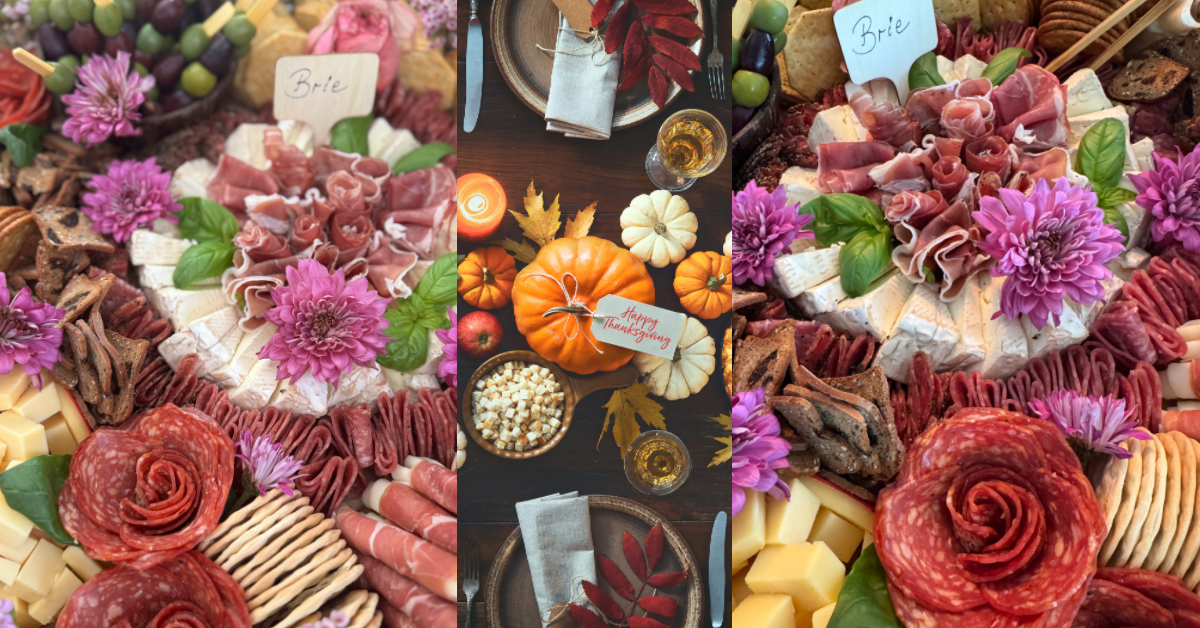
Ever wondered about the difference between a grazing table and a charcuterie board? It’s a common question, especially when planning a party or get-together. Both are great for serving food, but they have some key differences in how they’re put together and what kind of event they fit best. This article will help you figure out which one is right for your next gathering, focusing on what makes each unique.
Key Takeaways
- Grazing tables are generally larger, covering a whole surface with a wide variety of foods, while charcuterie boards are smaller and more focused on meats and cheeses.
- A grazing table often includes many different food types beyond just meats and cheeses, like fruits, vegetables, dips, and breads, creating a more diverse spread.
- Charcuterie boards are typically about creating specific flavor pairings with curated items, offering a more artistic and focused food experience.
- Grazing tables work well for big events with lots of guests, letting people pick and choose from a large selection, while charcuterie boards are better for smaller, more personal gatherings.
- Both options let you be creative with presentation and food choices, but grazing tables require more planning and space due to their size and variety.
Understanding the Grazing Table
Defining a Grazing Table
So, what exactly is a grazing table? Well, it’s more than just a snack setup; it’s an experience. Think of it as a deconstructed buffet, but with way more style. A grazing table is essentially a large, artfully arranged spread of food designed for guests to casually graze on over a period of time. It’s different from a regular buffet because it emphasizes visual appeal and variety, encouraging people to mingle and sample different items. It’s not just about filling up; it’s about enjoying the food and the company.
Visual Appeal and Styling
Let’s be honest, a big part of the appeal is how it looks. A grazing table should be a feast for the eyes as much as it is for the stomach. Think about color, texture, and height when you’re arranging things. Use different serving dishes, boards, and even edible decorations to create visual interest. You can even give your grazing table a theme to make it even more special. Here are some ideas:
- Use wooden boards for a rustic look.
- Incorporate flowers or greenery for a touch of elegance.
- Vary the heights of your dishes to create dimension.
The key is to make it look inviting and abundant. You want people to be drawn in and excited to try everything.
Pre-Planning and Preparation
Don’t just throw a bunch of food on a table and call it a day. A good grazing table requires some serious pre-planning. Start by figuring out how many people you’re expecting and what kind of food they like. Then, make a list of everything you’ll need and start prepping a day or two in advance. Some things, like cheeses and cured meats, can be bought ahead of time. Other things, like fresh fruits and veggies, should be prepped closer to the event to keep them fresh. Consider the shelf life of your ingredients. You don’t want anything to go bad before your guests arrive.
The Essence of a Charcuterie Board
Traditional Components
At its core, a charcuterie board is a curated selection of cured meats, cheeses, and complementary items, thoughtfully arranged on a board. Think of it as a refined appetizer, designed to offer a range of flavors and textures in a compact, visually appealing format. Unlike a large-scale spread, it’s about quality over quantity.
Flavor Profiles and Artistry
The art of a charcuterie board lies in the careful selection and arrangement of ingredients to create harmonious flavor pairings. It’s not just about throwing some meats and cheeses on a board; it’s about considering how the salty prosciutto complements the creamy brie, or how the spicy salami contrasts with the sweetness of fig jam. The goal is to create an interactive food experience where each bite is a delightful discovery.
Size and Scope
Charcuterie boards are typically smaller and more contained than grazing tables. They are designed to be easily manageable and portable, making them ideal for smaller gatherings or as an appetizer before a meal. While a grazing table aims for abundance, a charcuterie board focuses on a curated selection of high-quality items.
A well-executed charcuterie board is a testament to the host’s attention to detail and their desire to provide guests with a memorable culinary experience. It’s about creating a moment of shared enjoyment and appreciation for good food.
Key Differences in Presentation
Scale and Coverage
When it comes to presentation, the most obvious difference between a grazing table and a charcuterie board is the scale. A grazing table is designed to cover a large surface area, often an entire table, while a charcuterie board is much smaller and more contained. Think of a grazing table as a landscape of food, sprawling and abundant. A charcuterie board, on the other hand, is more like a curated snapshot.
Incorporating Charcuterie Boards
Interestingly, charcuterie boards can actually be part of a larger grazing table setup. You might have several smaller charcuterie boards arranged on the table, each with a different theme or selection of meats and cheeses. This allows for variety and also helps to organize the grazing table into distinct sections. It’s like having mini-stations within the larger spread.
Artistic Versus Smorgasbord
While both grazing tables and charcuterie boards aim to be visually appealing, their approaches differ. Charcuterie boards often emphasize artistry, with careful placement of each item to create a balanced and aesthetically pleasing arrangement. Grazing tables, while still visually appealing, tend to be more about abundance and variety. They lean towards a smorgasbord style, where the focus is on offering a wide range of options and creating a sense of overflowing generosity.
The key difference lies in the intent. A charcuterie board is a carefully crafted piece of edible art, while a grazing table is an invitation to indulge in a feast for the senses. One is a painting, the other is a party.
Ideal Occasions for Each
Grazing Tables for Large Gatherings
Grazing tables really shine when you’re hosting a crowd. Think weddings, corporate events, or big birthday bashes. Their expansive nature makes them perfect for feeding a lot of people with diverse tastes. They encourage mingling and conversation as guests graze at their leisure. A grazing table becomes a focal point, adding a touch of visual flair to the event.
- Weddings
- Corporate Events
- Large Birthday Parties
Charcuterie Boards for Intimate Events
Charcuterie boards, on the other hand, are ideal for smaller, more intimate gatherings. A cozy night in with friends, a romantic picnic, or a small family get-together are all perfect occasions. The curated selection of cheeses, meats, and accompaniments offers a sophisticated and personalized experience. It’s about quality over quantity, creating a shared culinary experience that fosters connection. Consider a signature board for your next small gathering.
Versatility for Different Party Sizes
Both grazing tables and charcuterie boards can be adapted to suit different party sizes. For medium-sized events, you might consider a hybrid approach. Several smaller charcuterie boards can be placed around the venue, complemented by a smaller grazing table as a central feature. This offers both variety and convenience for your guests.
Ultimately, the choice between a grazing table and a charcuterie board depends on the scale and style of your event. Consider the number of guests, the desired atmosphere, and your personal preferences when making your decision. Don’t be afraid to get creative and combine elements of both to create a truly unique and memorable culinary experience.
What to Include on a Grazing Table
Diverse Food Selection
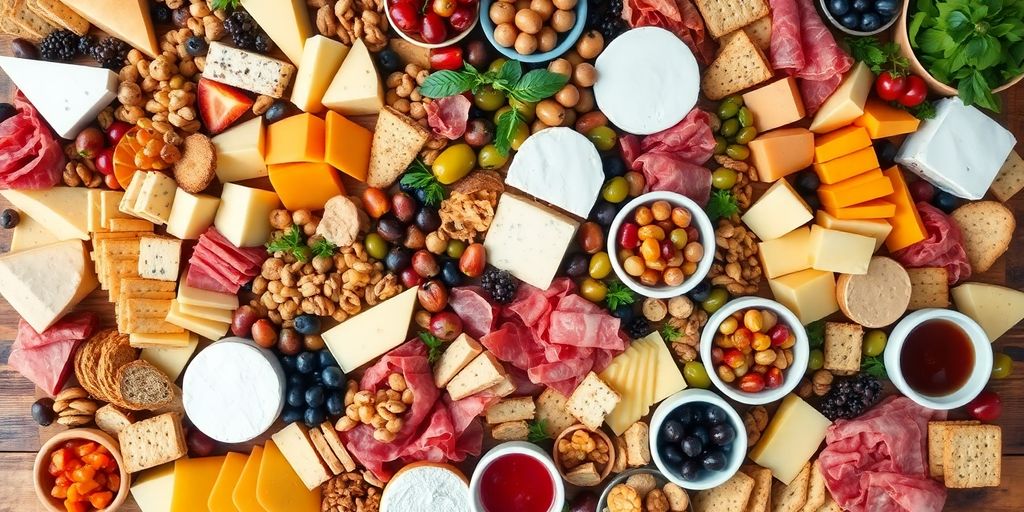
When crafting a grazing table, the key is variety. Think beyond the standard cheese and crackers. A successful grazing table offers a wide array of options to cater to different tastes and dietary needs. Consider including fresh fruits, vegetables, dips, breads, and even small desserts. The goal is to create a visually appealing and palatable experience for your guests.
Cheese and Meat Varieties
No grazing table is complete without a selection of cheeses and meats. Offer a range of textures and flavors, from soft brie to sharp cheddar, and from savory prosciutto to spicy salami. Don’t be afraid to experiment with different types of cheese and meat varieties to create a truly unique and memorable spread. Consider including options like:
- Gouda
- Goat Cheese
- Cheddar
- Prosciutto
- Soppressata
Complementary Items and Decorations
To elevate your grazing table, incorporate complementary items and decorations. Olives, pickles, nuts, and dried fruits can add texture and flavor. Fresh herbs and edible flowers can enhance the visual appeal. Consider using different heights and levels to create a dynamic and interesting display. Mini chalkboards can also be used to label each item, informing your guests of what they are putting on their plate. Aromatic candles can increase the beauty of your table, just make sure they aren’t too overbearing though. If possible, place different shelves or platforms to place your candlelights on. Decking the table with contrasting heights and lights will be visually appealing for your guests.
Remember to consider the overall aesthetic of your event when selecting decorations. The goal is to create a cohesive and inviting atmosphere that complements the food and enhances the overall experience.
Making Hosting Duties Easier
Flexibility in Ingredient Selection
One of the best things about grazing tables is how easy they are to customize. You don’t need to stick to a rigid list of ingredients. Feel free to swap out items based on what’s fresh, in season, or on sale at your local store. This flexibility not only saves you money but also allows you to get creative with your presentation. If you can’t find a specific type of cheese, don’t sweat it! Just replace it with something similar that you know your guests will enjoy.
Catering to Dietary Preferences
It’s important to consider any dietary restrictions or preferences your guests may have. Make sure to include options for vegetarians, vegans, and those with gluten sensitivities. Clearly label each item so guests can easily identify what they can and cannot eat. A well-planned grazing table can accommodate a wide range of needs without sacrificing flavor or variety. For example, you could include gluten-free crackers, plant-based cheeses, and a selection of fresh fruits and vegetables. This thoughtful approach will ensure that everyone feels included and can enjoy the spread.
Streamlining Food Service
Setting up a grazing table can actually simplify food service during your event. Instead of constantly refilling individual plates or serving dishes, guests can help themselves throughout the evening. This allows you, as the host, to relax and enjoy the party. To make things even easier, consider using disposable or compostable serving ware. This will minimize cleanup and allow you to focus on creating a charcuterie board and spending time with your guests.
A grazing table is a great way to keep guests happy, fed, and full. It’s a visually appealing and interactive way to serve food, and it can be easily adapted to suit any occasion or dietary need. By following these tips, you can create a grazing table that is both delicious and stress-free.
Tips for Safe Shared Dining

Hygiene Best Practices
When setting up a grazing table, prioritize hygiene to ensure a safe and enjoyable experience for all guests. Start with thoroughly cleaning the preparation area and all serving dishes. Provide plenty of hand sanitizer near the table and encourage guests to use it before and after serving themselves. Consider using disposable gloves for guests who prefer an extra layer of protection. These measures can significantly reduce the risk of contamination.
Minimizing Contamination Risks
To further minimize contamination risks, implement strategies that prevent the spread of germs. Avoid double-dipping by providing individual serving utensils for each dish. Arrange the table to prevent crowding and encourage guests to maintain a safe distance from one another. Pre-portioning certain items into individual servings can also help reduce the number of hands touching the food. For outdoor events, protect the signature boards from insects and other environmental contaminants with appropriate covers.
Guest Etiquette for Shared Foods
Establish clear guidelines for guest etiquette to promote a safe and respectful dining environment.
- Remind guests to avoid talking directly over the food.
- Encourage them to use serving utensils instead of their hands.
- Ask that they refrain from returning any food they have taken back to the communal platters.
By communicating these expectations clearly, you can help ensure that everyone feels comfortable and confident while enjoying the grazing table. Remember, a little bit of awareness goes a long way in keeping everyone healthy and happy.
Want to make sure your next get-together is super safe and fun for everyone? We’ve got tons of great ideas to help you share food without sharing germs. Check out our full guide on how to keep everyone healthy while enjoying delicious meals together. You’ll find simple tips that make a big difference!
Conclusion
Ultimately, whether you pick a grazing table or a charcuterie board, the main point is to make your guests happy. Both options are great for parties, big or small. A grazing table works well for a lot of people, giving them many choices. A charcuterie board is good for smaller groups, letting you focus on specific flavors. No matter which one you choose, putting thought into the food and how it looks will make your event special. It’s all about celebrating with friends and family, and good food helps with that.
Frequently Asked Questions
What is a grazing table?
A grazing table is a large, artistic display of various foods, often spread across an entire surface. It’s designed for guests to casually pick at different items over time, creating a relaxed and interactive dining experience. These tables often feature a wide array of items, including cheeses, meats, fruits, vegetables, breads, dips, and sweets, arranged in an appealing way.
What is a charcuterie board?
A charcuterie board is a smaller, more focused platter, traditionally featuring cured meats (charcuterie), cheeses, and complementary items like olives, nuts, and crackers. Unlike a grazing table, which is a sprawling feast, a charcuterie board is a curated selection designed to offer specific flavor combinations and a more intimate serving experience.
How do grazing tables and charcuterie boards differ?
The main difference lies in scale and variety. Grazing tables are much larger, covering a significant surface area with a vast assortment of foods, suitable for many guests. Charcuterie boards are smaller, more selective, and typically focus on a specific range of meats and cheeses, ideal for fewer people or as an appetizer. A grazing table can even include several charcuterie boards as part of its larger display.
When should one choose a grazing table versus a charcuterie board?
Grazing tables are perfect for large events like weddings, big parties, or corporate gatherings where you want to offer a wide variety of snacks and encourage mingling. Charcuterie boards are better suited for smaller, more intimate occasions, such as a casual get-together with friends, a date night, or as an elegant appetizer before a meal.
What items are typically found on a grazing table?
A grazing table should include a diverse range of items to satisfy different tastes. This can encompass various cheeses (soft, hard, flavored), cured meats, fresh and dried fruits, an assortment of crackers and breads, nuts, olives, dips, vegetables, and even small desserts. The key is variety and visual appeal, often enhanced with decorative elements like fresh herbs or flowers.
What are some best practices for hygiene when serving shared food displays?
To ensure food safety with shared food displays, it is important to provide plenty of serving utensils for each item to prevent direct hand contact. Encourage guests to use these utensils and avoid touching food they do not intend to take. For very large gatherings, consider having multiple identical setups to spread out guests and reduce crowding around a single area.